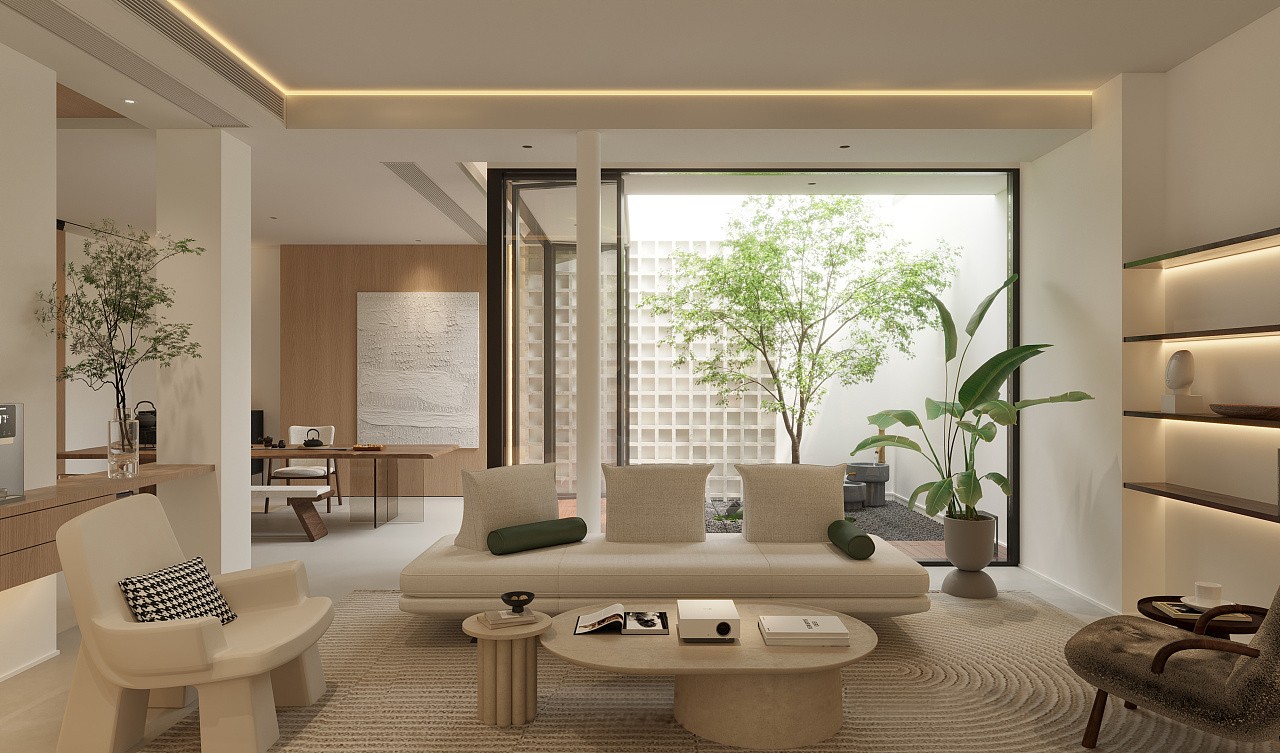
The starting point is the interior design to make the areas visually and practically attractive. Design has a significant role in enhancing mood productivity, overall satisfaction in the commercial and residential environment, through the ability to properly use color, space, and light. It is an investment in beauty and livelihood, and efficiency for companies.
The interior design is not about decor or furniture placement, but rather defines how the commercial and residential space is to be used, feel, and personality-wise. The more human needs become complicated, the more the importance of designing in a thoughtful manner. Whether it is about establishing a serene atmosphere in your house or establishing an environment that is conducive to work and creative productivity, creative interior design is essential in designing spaces that can be helpful and benefit the user of those spaces, their lives, and work process.
It has light, color, and texture with spatial planning to induce some feelings and experience. A well-designed environment will be able to increase well-being, enhance productivity, and change how people conduct themselves. Sustainable and ergonomic design decisions are gaining relevance as customers are demanding aesthetic and environmentally friendly environments. Interior design is a very important part of the expression of the brand or personal identity and transforms the banal spaces into the unique representations of your personality or values. With the shifts in trends and technological changes, so do the possibilities of interior designs to transform the way we conduct business and live.
Effects of Interior Design on Residential Spaces
Home interior design plays a vital role in transforming homes into beautiful and functional spaces. A properly designed layout and the choice of aesthetics can have a significant effect on the level of comfort and satisfaction of the residents. Effective design is that which takes into account the ways people use spaces and incorporates the practicality and aesthetic appeal into building elegant and comfortable environments.
Professional interior designers, such as those who collaborate with the most well-known interior designers in Denver under the Divine Home Today, can make their living environments work to meet the aesthetic demands and optimize the areas of their living spaces, such as space utilization and natural light, which improves the living experience. By taking into consideration space and movement of the different spaces, experienced designers make sure that homes fit perfectly with their occupants’ way of life and their day-to-day activities. The interior should be designed in such a way that it enhances mental well-being through a reduction of visual clutter and a high degree of efficiency.
The relaxing color schemes, the gentle textures, and the smart lighting could be used to form a calming and tranquil ambiance. Individual aspects, including art to custom furniture, will help the residents have a deeper emotional connection to their environment. Also, environmentally-friendly and sustainable design solutions will be a decent alternative to make sure that your home complies with the recent standards of environmental responsibility. The final effect is that the interior design is something that makes a house great and assists in building an illuminated, balanced existence.
Influence on Business Places
In the commercial setting, interior design could be a tool used to make sure that the space is in line with business needs. The environment is carefully designed and managed, and can make the employees more efficient and have a positive influence on the customer experience. As an illustration, the workspace design may have a significant influence on productivity. Open areas can be conducive to teamwork, and isolated spots could be useful in work that requires concentration.
Similarly, design has an impact on anticipation and actions within such places as stores and restaurants. A store with an attractive layout will have more customers and a higher time spent in the store, and this may result in a possible increase in sales. When you concentrate on the customer experience, the commercial spaces will be more than functional.
Without them, the success of a business would not be possible. Lighting, colors, patterns and materials may influence mood and make choices, which is a delicate manipulator of behavior through the design psychology. The reception/ lobby is also a well-designed area, which will determine the tone of the whole client experience once they enter.
Moreover, flexible layouts that can be changed to meet the evolving needs of the businesses enable them to be flexible in a very competitive business environment. The incorporation of biophilic factors in the form of greenery and sunlight has been known to reduce stress and enhance well-being in the workplace. Ultimately, intentional design choices have aesthetic value and have a direct influence on branding and efficiency.
The Important Aspects of Interior Design
It is necessary to use and learn the basics of interior design to establish harmony in spaces. The elements that make the design successful, which include: space, line, form, light, color, texture, and pattern, are collectively achieved through these elements:
Space: This is one of the basic elements in the design process that involves the space that can be provided in the structures to be installed and used. Through a comprehensive analysis of the space, it is possible to make sure that each of the areas will serve its purpose appropriately.
Lines are directional and structural in the sense that they create the visual lines that guide the eyes through a room. In case they are vertical, horizontal, and dynamic, they can assist in creating the visual structure of a room.
Forms: The shapes of the room, as well as the objects, are shapes that provide the style and character of the atmosphere. Either organic or geometric shapes could be used to determine the aesthetic of a room.
The light: Both natural and artificial, light influences the perception of spaces. A considerate lighting plan can have a significant impact on the atmosphere, and may affect the atmosphere and perception of colors as well.
Colour: They can become emotional and change the way a space is used and enjoyed. The unity of the colors is crucial to a pleasing look.
Pattern and Texture: The introduction of texture and pattern to a space makes it interesting and provides more depth to the space, making the space not appear flat. These are some elements that are created through materials or finishes that contribute to both the tactile and the visual depth of the room.
When they are harmonized: When such elements are harmonized correctly, they can turn the basic interiors into entertaining and practical rooms. These tools are normally used by designers to convey specific designs or themes, which may improve the character of the design. One should consider how each part will connect with the other elements in order to maintain an aesthetic balance.
Design choices can also be subject to personal tastes and requirements, so as to make them easy to use and comfortable. Ultimately, a knowledge of such crucial elements will enable both homeowners and designers to make their homes captivating and comfortable creations.
Designing Innovations
The interior is modern, and it is marked by constant innovation, which is driven by technology and the shifting demands of the consumer. Designers are now adopting such tools as virtual reality, whereby customers can see inside the spaces before construction can begin, which saves them the cost of making costly errors.
Moreover, an approach to modularization, which gives the flexibility of solutions that can address various requirements, is starting to become popular. This plan enables one to flexibly use the space, particularly in areas where it is very important, such as multi-generational homes or workplaces. The new designs are becoming more customized and flexible, which is immensely enhancing ease of navigation and comfort. Greener resources and energy-saving systems are also contributing, and this is being echoed in the increased demand for sustainable design.
To enhance wellness and draw people closer to nature, biophilic elements (natural lighting, use of plants, organic textures) are employed. Data-driven design enables making better decisions based on the analysis of how people use spaces and enhances the functionality. There is also an interest among designers in multi-use designs, in which working, living, and leisure spaces are combined in a single space. This technological innovation and sustainable design with environmental sustainability set high standards in the design of tomorrow.
Creating Efficient and Sustainable Spaces
Because the contemporary world is putting emphasis on the value of sustainability, the issue of environmentally-friendly interior design is the priority. This plan will reduce the adverse environmental impact and offer better, healthier surroundings to individuals. The designers are also incorporating materials that are environmentally friendly, such as bamboo and recycled wood, which are durable without affecting the environment.
Also, the effective design focuses on the energy efficiency and resource conservation. Through the introduction of solar panels or lighting systems that consume less energy, the areas will be easier to maintain and more friendly to nature reserves. Sustainability refers to the maximization of the utility of space, i.e., ensuring that no space goes to waste in a building and that every space enhances general comfort as well as productivity. The reduction of environmental footprints is achieved through natural ventilation, water-conserving fixtures, plans, and smart home technologies.
The use of non-toxic paints and low-VOC materials enhances the indoor air quality, and this results in healthy work and living environment. Designers are also collaborating with environmental professionals to make sure that their designs are environmentally friendly. A new trend is biophilic design, which links the interior and nature through the use of elements like indoor plants and sunlight. Ultimately, sustainable design is not merely a fad, but more of a long-term investment in the wellbeing of our people, and also the environment.
Conclusion
Interior design influences our environments greatly and has brought about enhancements in functionality, aesthetics, and sustainability. The idea turns spaces into spaces that motivate and enable their occupants by merging the basic principles of design, amalgamating the ideals of beauty and functionality, and making sure that they are in line with the trends.
Since the field is evolving, the design of interior spaces is rooted in the fulfillment of the needs of human beings and the development of environments that are both beautiful, functional, and environmentally responsible, such that they produce holistic experiences that will have a profound impact on the people who encounter them.
It shapes the perception of spaces and their experience, and the way they perform in everyday life. Well-designed interiors have the potential to enhance the quality of life, improving productivity and enhancing wellbeing. Modern-day interiors are also pushing the limits of what the modern world can do, given the developments in technological innovation and environmentally friendly materials.
The current designers are concerned with designing spaces to be flexible enough to meet the fluctuating lifestyles and working habits. Interior design can prove an extremely efficient tool to produce the environment that would be indicative of the identity of the individual, their intention for the place, and their commitment to sustainable living.