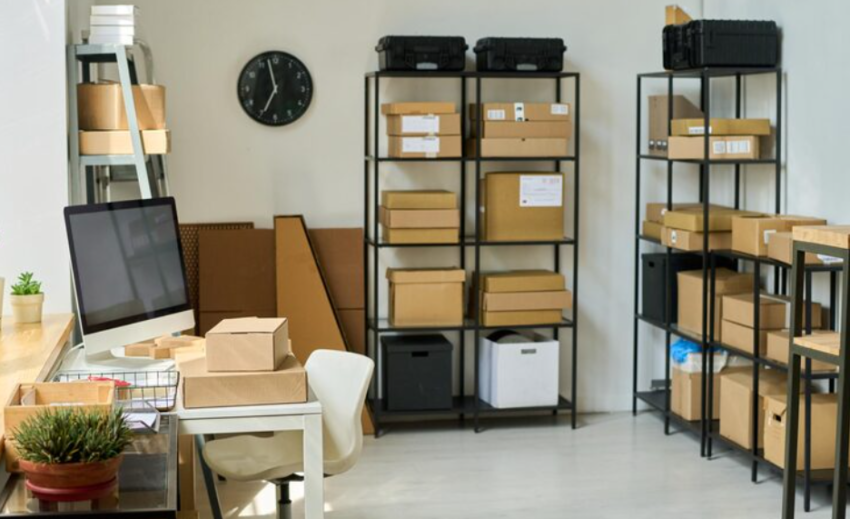
Storage plays an important role in keeping homes, offices, warehouses, and commercial spaces organised. The right storage solutions help protect valuable items, reduce clutter, and make better use of available space. However, choosing suitable storage systems requires careful consideration of several factors. Quality, durability, design, and storage capacity all influence how well a system performs over time. Understanding these features can help individuals and businesses make informed decisions and find storage systems that meet their needs.
Understand Your Storage Requirements
Before selecting storage systems, it is important to understand what you need to store and how much space is available. Different environments require different storage solutions. For example, a home may need cabinets and shelves for everyday items, while a warehouse may require heavy-duty shelving for large products and equipment.
Consider the size, weight, and type of items you plan to store. This information will help you choose a suitable design and avoid investing in a system that does not meet your requirements. Planning ahead also makes it easier to select storage systems that can support future needs.
Choose Strong and Durable Materials
The materials used in storage systems have a direct impact on their strength and lifespan. Metal, steel, solid wood, and high-quality plastic are common materials used in different storage applications. Each material offers specific advantages depending on the intended use.
Steel storage systems are often suitable for warehouses and industrial environments because they can support heavy loads. Wooden options can provide an attractive appearance in homes and offices, while quality plastic systems are useful for lightweight items and areas where easy cleaning is important.
When comparing different options, check the material quality, surface finish, and resistance to moisture, rust, and daily wear. Strong materials help ensure long-term performance.
Check Weight Capacity and Stability
Weight capacity is another important factor when choosing reliable storage systems. Every shelving unit, cabinet, or rack is designed to support a specific amount of weight. Exceeding this limit can affect stability and create safety concerns.
Always review the manufacturer’s load capacity guidelines before making a purchase. Make sure the shelves and supporting structures are suitable for the items you intend to store. Stable construction, strong joints, and secure fittings also contribute to better performance.
For larger storage systems, consider whether additional wall supports or floor anchoring may be required. Proper installation helps maintain stability and provides a safer storage environment.
Consider Design and Available Space
A good storage solution should fit naturally into its surroundings. Measure the available area before purchasing storage systems to ensure they fit without blocking walkways, doors, or access points.
Adjustable shelves, modular units, and stackable designs can provide greater flexibility. These features allow users to change the arrangement according to their changing requirements. Choosing a practical design also makes stored items easier to organise and access.
Look for Easy Maintenance and Installation
Reliable storage systems should be simple to maintain and install. Clear assembly instructions, quality fittings, and accessible components can make installation easier. Systems with smooth surfaces and durable finishes are also easier to clean.
Regular maintenance, such as checking joints, tightening loose fittings, and inspecting shelves, can help extend their lifespan. It is also useful to choose products from manufacturers that offer warranties and dependable customer support.
Conclusion
Choosing durable and reliable storage systems involves more than comparing prices and appearances. Material quality, weight capacity, stability, design, and maintenance requirements all deserve attention. By understanding your storage needs and evaluating these features carefully, you can invest in storage systems that offer long-term value, improve organisation, and make better use of available space.