Homeowners who want to improve comfort, reduce energy bills, and maintain the structural integrity of their property have many options available to them. Two upgrades that consistently deliver strong results are improving attic insulation and addressing wall and ceiling damage through professional plastering.
Together, these improvements create a home that is warmer in winter, cooler in summer, and better protected from the kind of wear that diminishes value over time.
The Energy Savings of Blow Insulation
One of the most effective ways to reduce heat loss from a home is through blow insulation, a method that involves using specialized equipment to blow loose-fill insulating material into attic spaces, wall cavities, and hard-to-reach areas. Unlike batt insulation, blown-in material fills irregular spaces completely, eliminating the gaps and voids through which warm air escapes.
This comprehensive coverage makes it particularly effective in older homes where standard insulation has settled or was never installed adequately. The energy savings from proper attic insulation can be significant.
Restoring Walls and Ceilings with a Plastering Contractor
Cracks, holes, and deteriorating wall surfaces are more than an aesthetic problem. They can indicate settling, moisture intrusion, or impact damage that will worsen if left unaddressed. A skilled plastering contractor restores damaged plaster and renders surfaces to a smooth, durable finish that protects the underlying structure and prepares walls for painting or other decorative treatments.
Professional plastering produces results that last far longer than quick patch repairs. Beyond repairs, a plastering contractor can also apply new finishes to upgrade the look of interior spaces. Smooth skim coats, textured finishes, and decorative effects are all achievable through skilled plastering work that adds character and value to any room.
Planning Both Projects Together
Combining insulation and plastering work during a single improvement phase is a practical approach that minimizes disruption. Insulation installation in wall cavities may require access points that a plastering contractor can then seal and restore seamlessly. This coordinated approach reduces the total time the home is under active renovation and can lower overall costs through shared project management.
Both improvements also contribute to a home’s marketability. Buyers and appraisers notice well-insulated, smooth-walled interiors that signal the property has been cared for thoughtfully and invested in properly.
Smart Thermostats and Better Climate Control
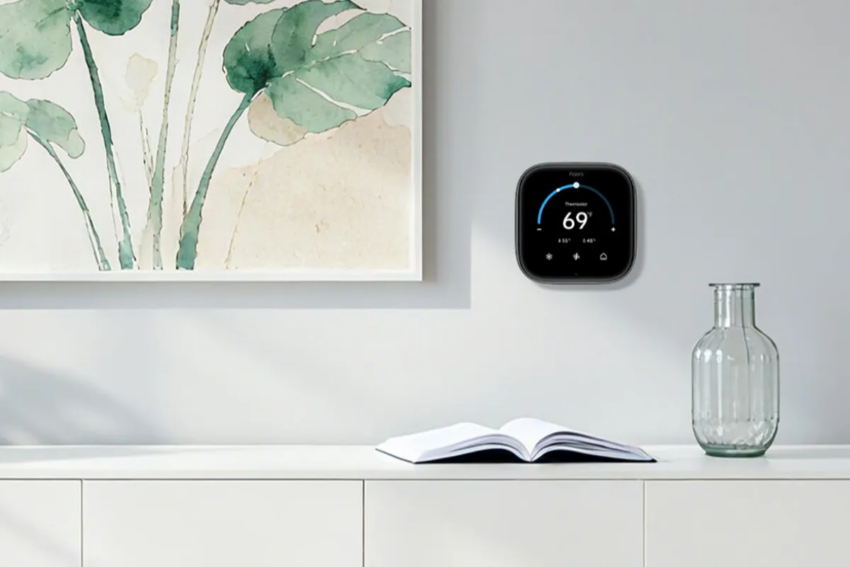
Another effective way to improve energy efficiency in a home is by using smart thermostats and better climate control systems. These devices help homeowners manage heating and cooling more accurately by learning daily routines and adjusting temperatures automatically. This reduces unnecessary energy use when no one is at home or when everyone is sleeping.
Over time, this leads to lower energy bills and a more comfortable living environment without constant manual adjustments. Modern smart thermostats, such as those offered by Google Nest, allow users to control their home temperature from a phone or tablet. This makes it easy to adjust settings even when away from home.
Conclusion
Improving insulation and restoring plaster surfaces are two practical, high-return home improvements that address both comfort and condition. They reduce energy waste, protect the structure, and enhance the interior environment in ways that residents notice every day.
Working with experienced professionals for both ensures that the results are thorough, durable, and genuinely worth the investment. These are upgrades that repay their cost many times over through the life of the home.